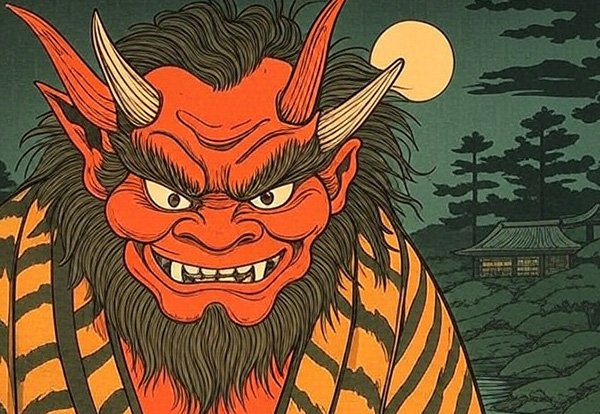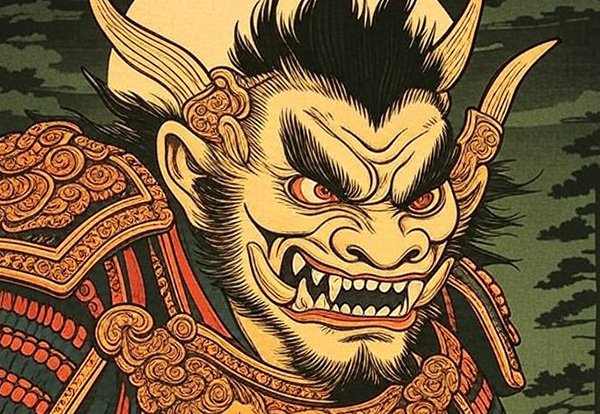
Winter yokai embrace cold, darkness, and rebirth. Snow spirits, vengeful ghosts, and protective demons guard the frozen months.
Winter in Japan brings cold, darkness, and the promise of rebirth. Winter yokai embrace this cycle—snow spirits guard the frozen landscape, vengeful ghosts seek justice in the long nights, and protective demons ward off the season's dangers. The darkness of winter reveals the hidden world of spirits.
Note: This seasonal categorization reflects the temporal energy states (kisetsukan) of yokai rather than rigid categories. Many yokai may appear across multiple seasons, but their power and presence peak during their associated time.
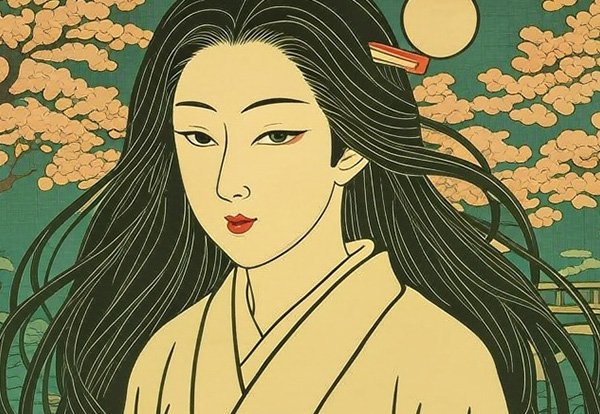
Onryō are vengeful spirits that return from the dead to haunt those who wronged them in life, driven by anger and betrayal.
814
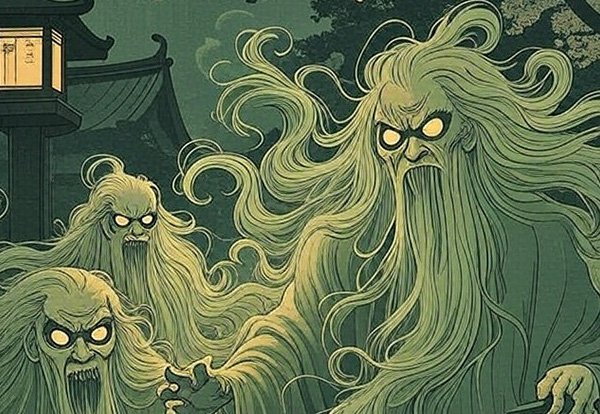
Goryō are vengeful spirits of the dead, often aristocrats or nobles who died with deep resentment. Their wrath is believed to bring misfortune, disease, or disasters unless properly appeased through rituals and shrines.
633
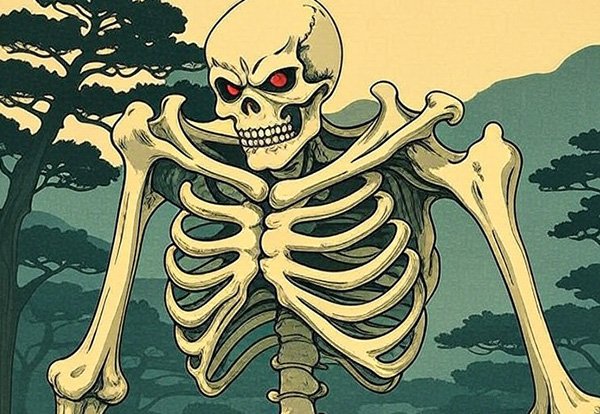
Gashadokuro is a massive, night-wandering skeleton made from the bones of those who died without burial. It stalks the land in silence, seeking to catch and devour lone travelers.
619
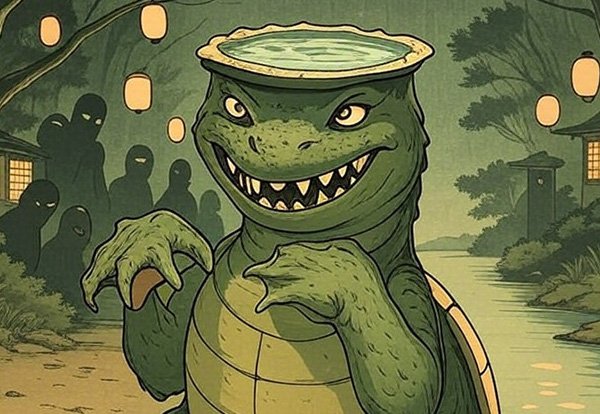
One of the most iconic Japanese yokai, the Kappa is a mischievous water spirit known for its bowl-shaped head, sumo skills, and love of cucumbers.
613
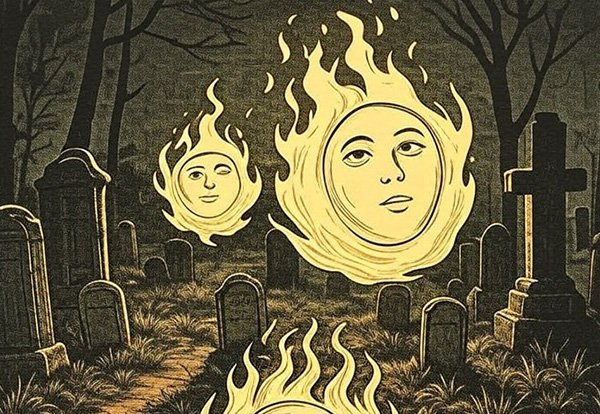
A mysterious glowing orb believed to be the soul of a recently deceased person, floating through the night air.
608
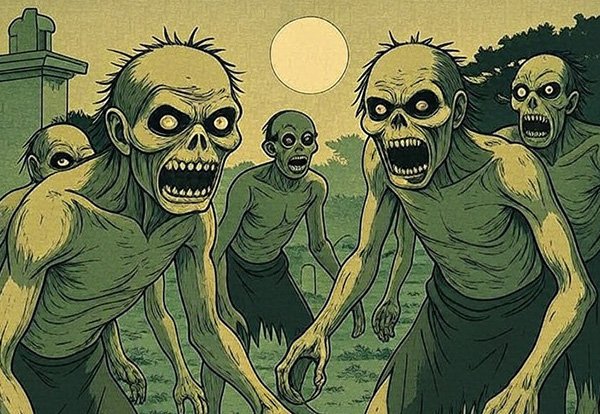
A cursed spirit from Japanese Buddhist lore that devours human corpses, often driven by insatiable greed in life.
586
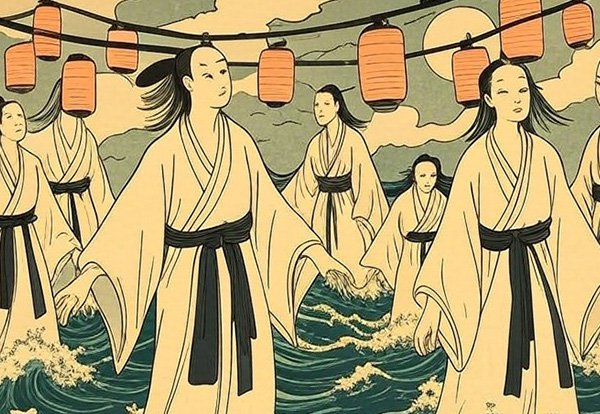
Ghostly spirits of those who perished at sea. They appear on stormy nights, trying to sink ships and drag sailors to watery graves.
565
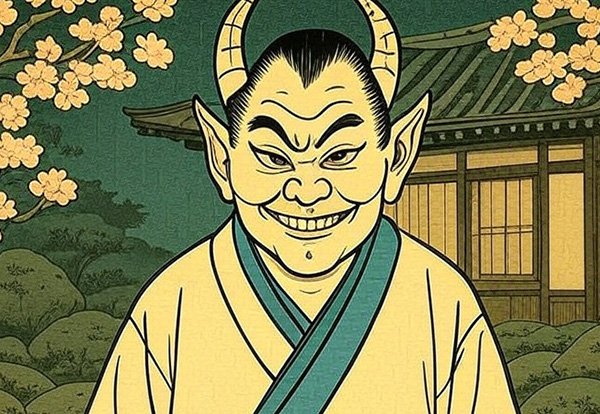
A mischievous demon known for goading people into bad behavior and stirring trouble with cunning lies and tricks.
535
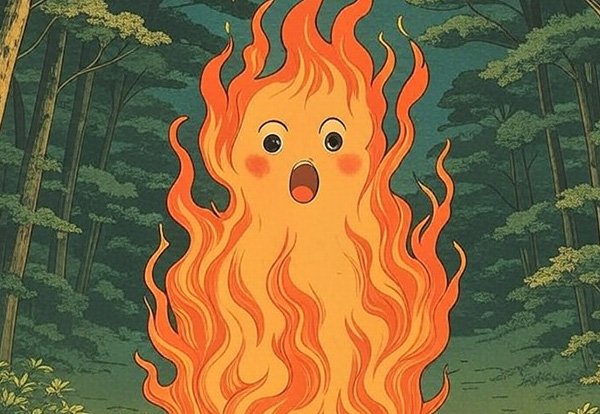
Mysterious floating flames believed to be ghost fires or spiritual energy, often seen near graves or haunted places in the night.
524
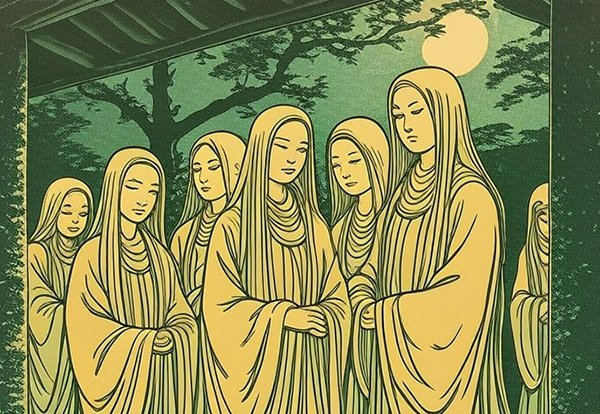
A spirit bound to a specific location, often appearing where they died in trauma or with unfinished business.
504
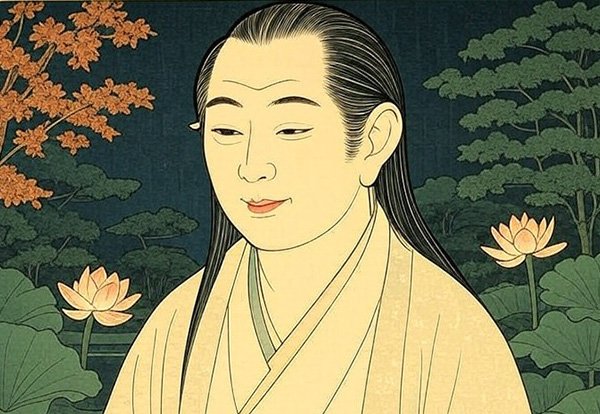
A respectful term for the dead, often used to refer to the soul after passing. In Japanese folklore, hotoke may manifest as peaceful spirits or return as ghosts if not properly honored.
474
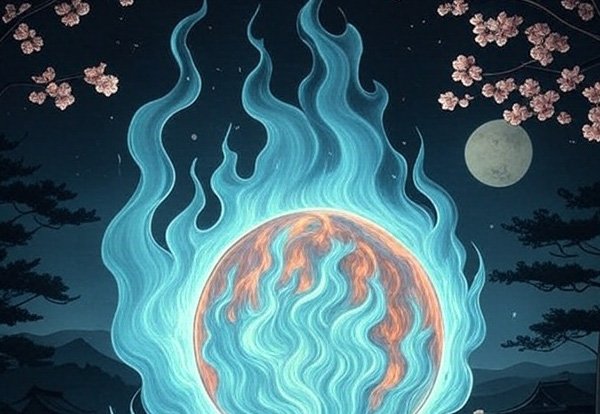
A ghostly fire from Mie Prefecture that haunts desolate mountain paths and brings misfortune to travelers.
473
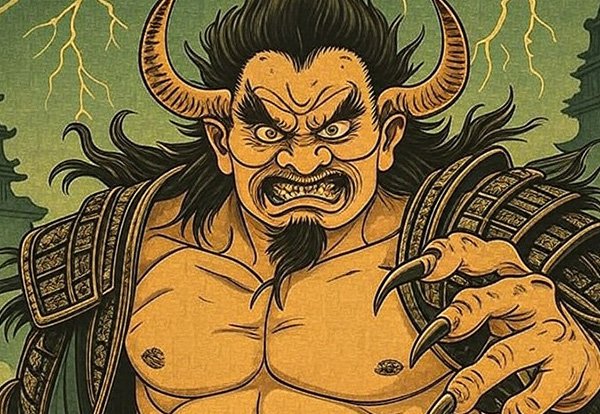
A fearsome oni who guarded the Rashomon gate and served as Shuten-dōji’s most loyal companion.
463
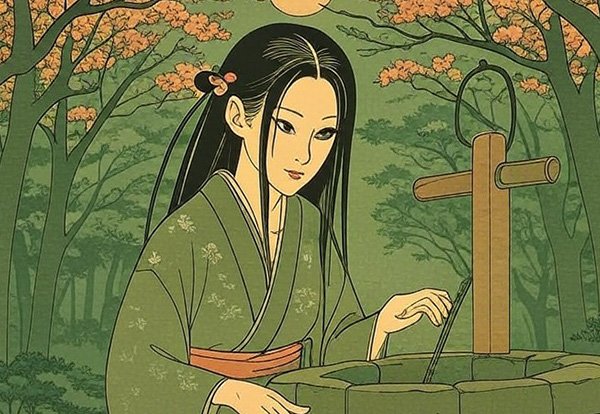
The plate-counting ghost of a servant girl who haunts the well where she was killed after being wrongly accused of breaking a valuable dish.
460
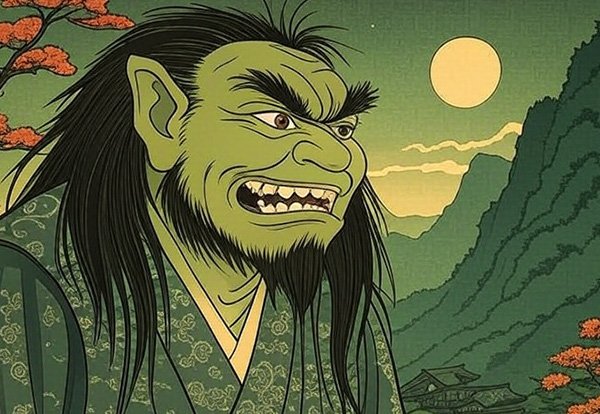
Ritual ogres from the Oga Peninsula, used in New Year traditions to scare laziness out of children and adults.
442
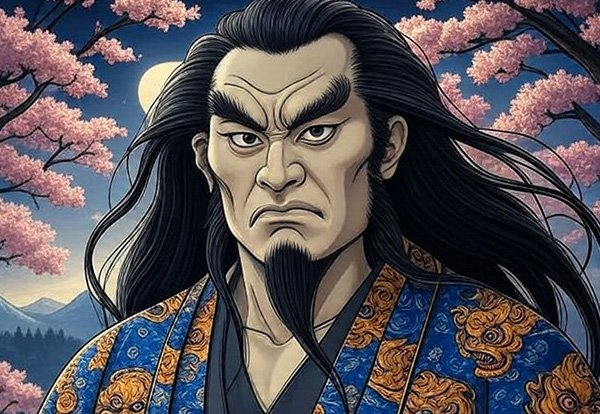
A ritual demon from Hokuriku who visits homes during festivals to scare laziness out of adults and children alike.
438
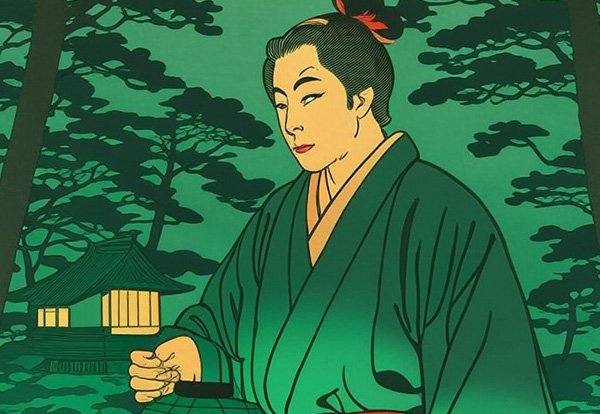
The eerie spirit of the blue lantern, said to appear at the end of a hundred ghost stories told by candlelight.
428
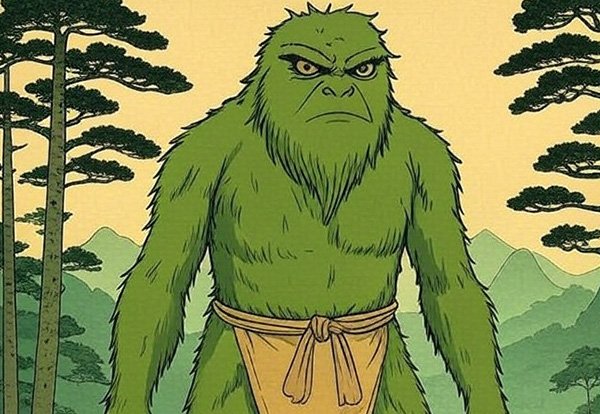
A one-legged mountain spirit from the Kii Peninsula, known for hopping through the snow and frightening villagers during winter.
425
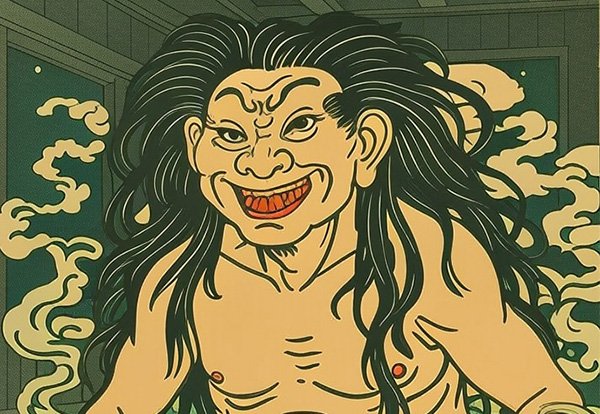
A hairy kappa-like creature known for sneaking into baths and leaving hair everywhere. While mischievous, it can become deadly if its hospitality is not respected.
411
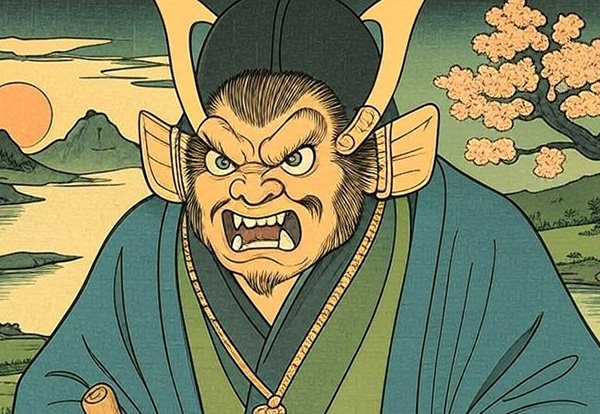
A ritual demon from Iwate Prefecture who disciplines misbehaving children and blesses households.
405
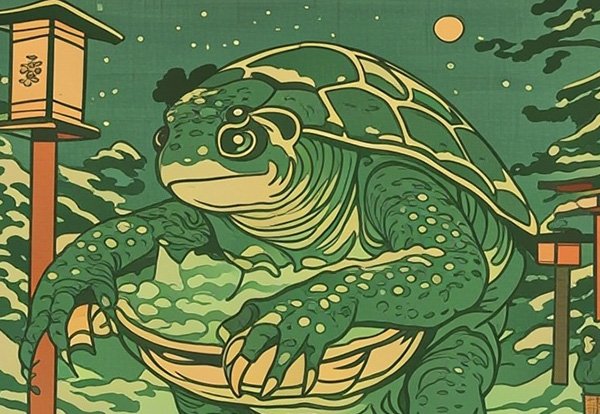
Kashanbō are a winter variant of kappa that migrate into the mountains, often associated with cold-weather mischief and strange mountain legends.
362
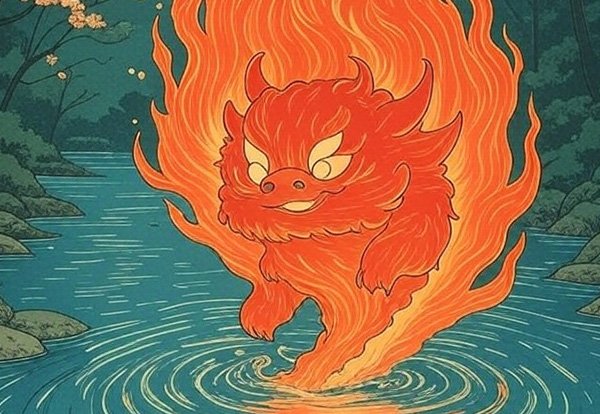
A mysterious flickering flame from Kōchi Prefecture said to drift playfully through the night fields.
358