
Spring yokai are associated with renewal, rain, cherry blossoms, and awakening spirits. These creatures emerge with the first rains and blooming flowers.
In Japanese culture, seasons are not just weather patterns—they are living forces that shape the behavior of yokai and spirits. Spring yokai emerge with the first rains, cherry blossoms, and the awakening of nature. These creatures embody renewal, growth, and the gentle transition from winter's slumber.
Note: This seasonal categorization reflects the temporal energy states (kisetsukan) of yokai rather than rigid categories. Many yokai may appear across multiple seasons, but their power and presence peak during their associated time.
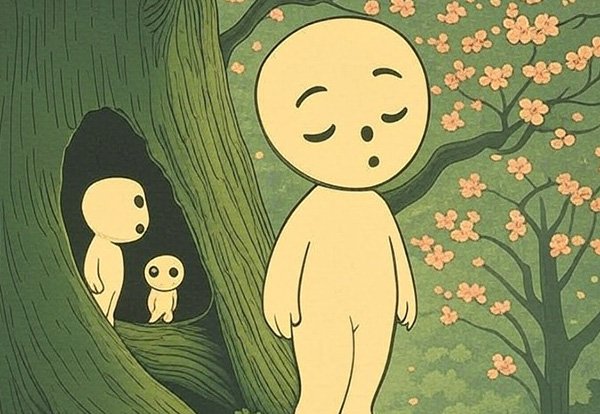
Tree spirits from Japanese folklore that dwell in ancient or sacred trees. Disturbing a Kodama’s tree is said to bring terrible misfortune.
903
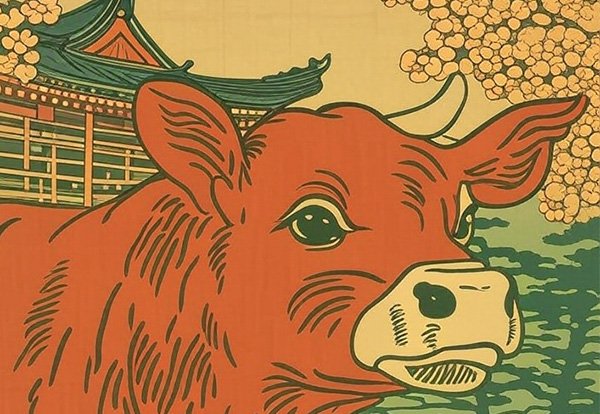
Akabeko is more benevolent and symbolic, associated with good luck, resilience, and protection from illness.
488
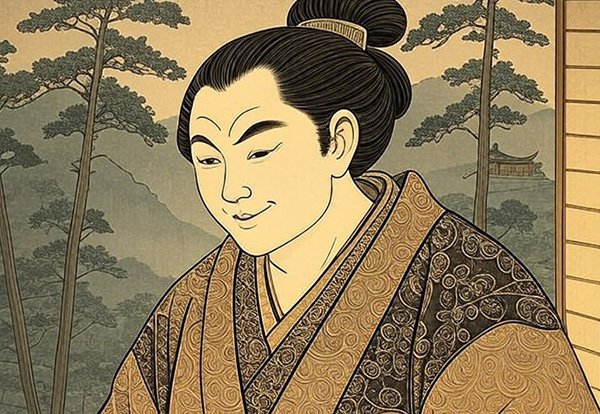
A mischief-making spirit known for slicing through fishing nets and mosquito screens in the night.
457

A mysterious woman yokai who brings rain wherever she walks—seen as both a gentle blessing and a gloomy curse.
447
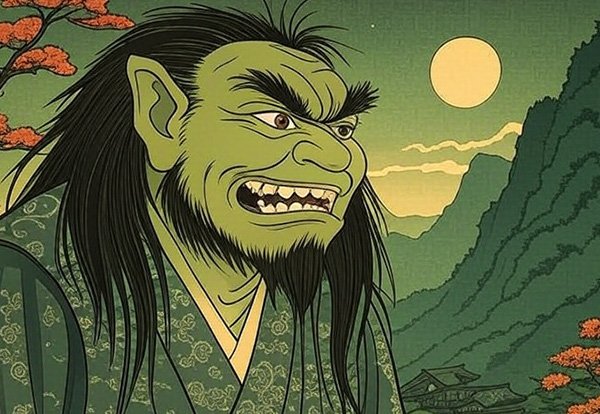
Ritual ogres from the Oga Peninsula, used in New Year traditions to scare laziness out of children and adults.
442
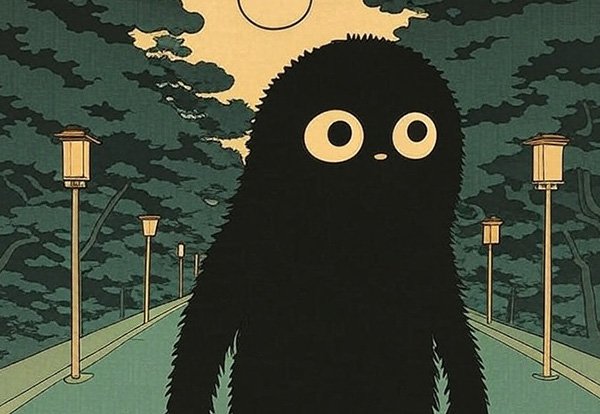
An invisible spirit from Japanese folklore known to follow travelers at night, making eerie footstep sounds. Though unseen, it causes unease with its audible presence. To dispel it, one must politely say, “Please, go ahead, Betobeto-san.”
441

A ritual demon from Hokuriku who visits homes during festivals to scare laziness out of adults and children alike.
438

A cheerful little boy spirit who delights in the rain, sometimes causing showers or playful mischief.
428
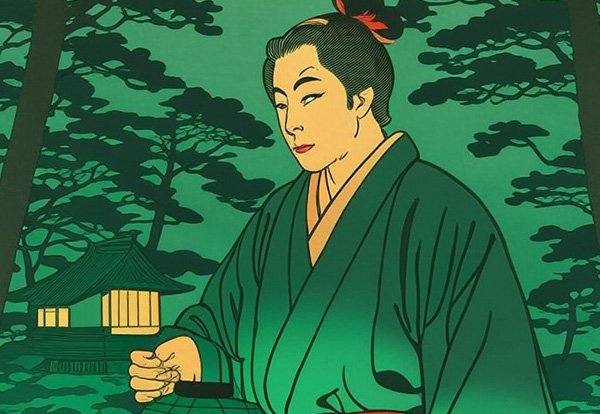
The eerie spirit of the blue lantern, said to appear at the end of a hundred ghost stories told by candlelight.
428

A ritual demon from Iwate Prefecture who disciplines misbehaving children and blesses households.
405

A regional name for Azukiarai — the mysterious spirit known for grinding beans by streams at night.
385
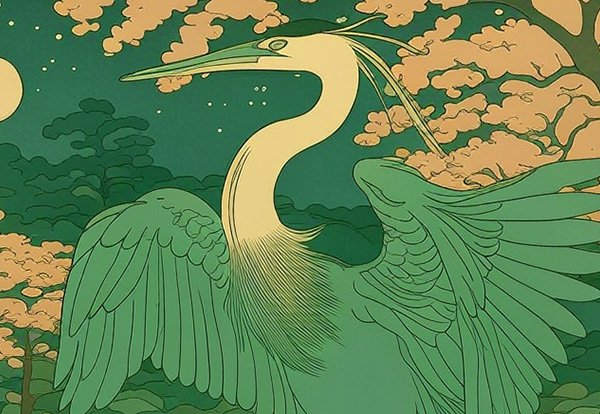
A ghostly blue heron said to shimmer with supernatural fire as it moves through swamps and riverbanks.
382

A strange spirit known for making eerie bean-washing sounds near rivers and wells late at night.
377